Madness and the Institution
Gekkenhuis is a 15th-century Dutch term meaning 'madhouse', which has become slang to describe anything chaotic, confusing and positively or negatively overwhelming. The word is simultaneously comical, disruptive and revealing of the saneism embedded in our language.
Gekkenhuis is a collective learning initiative that centers mad, crip and trans narratives as a framework in questioning oppressive power structures. This research exists in relation to wider emancipatory struggles – the group is open to all who feel alienated by the dominant reality systems. Each gathering will grow out of the last – a collaborative space to share material and open new discussion. This session particularly welcomes psychiatric survivors (those who navigate institutional care), and those who see a role for art institutions in repositioning madness narratives.
Our first public meeting, "Madness and the Institution" responds to texts, research and artist films on 15th – 20th Century Asylum Systems. These histories and methods serve as a microcosm of imbalances in power structures, contextualising lived experience of non-physical disability as inherently critical and political.
The afternoon is divided into three parts:
1: The Asylum System:
We’ll read “Madness”, a chapter from Health Communism on psychiatric care models’ mirroring of capitalist values and their role within wider systems of control.
Molly Palmer will share archival research on dehumanising methods of corrective care such as electroshock therapy, insulin injections to induce comas and lobotomies.
We’ll look at two projects that aim to restore agency: Palmer’s experiment Asylum X – a Call Center that anonymously reconstructs memories of psychiatric hospitals in a digital environment that can be shared and navigated; and Mad Love (A Designer Asylum), in which the artist Vacuum Cleaner helps young people in distress design a safe place to go mad.
2: Ovartaci - “The chief Lunatic”
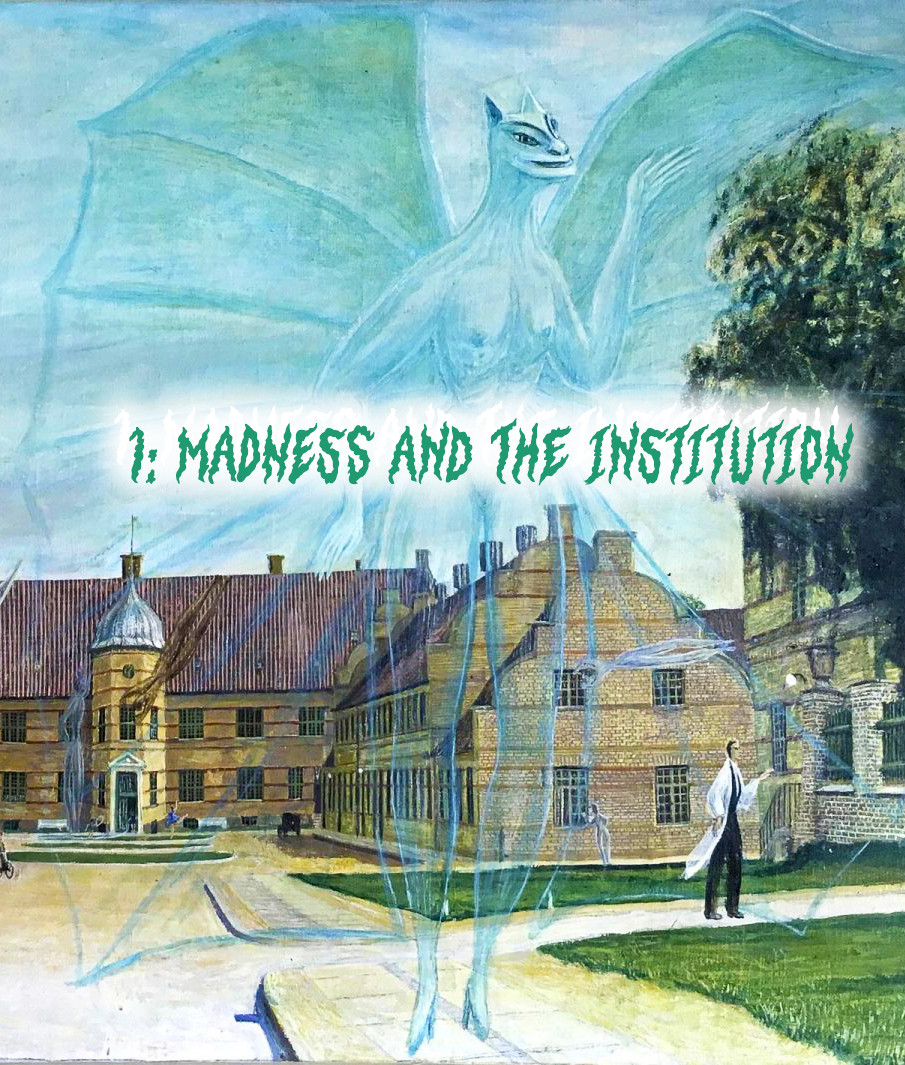
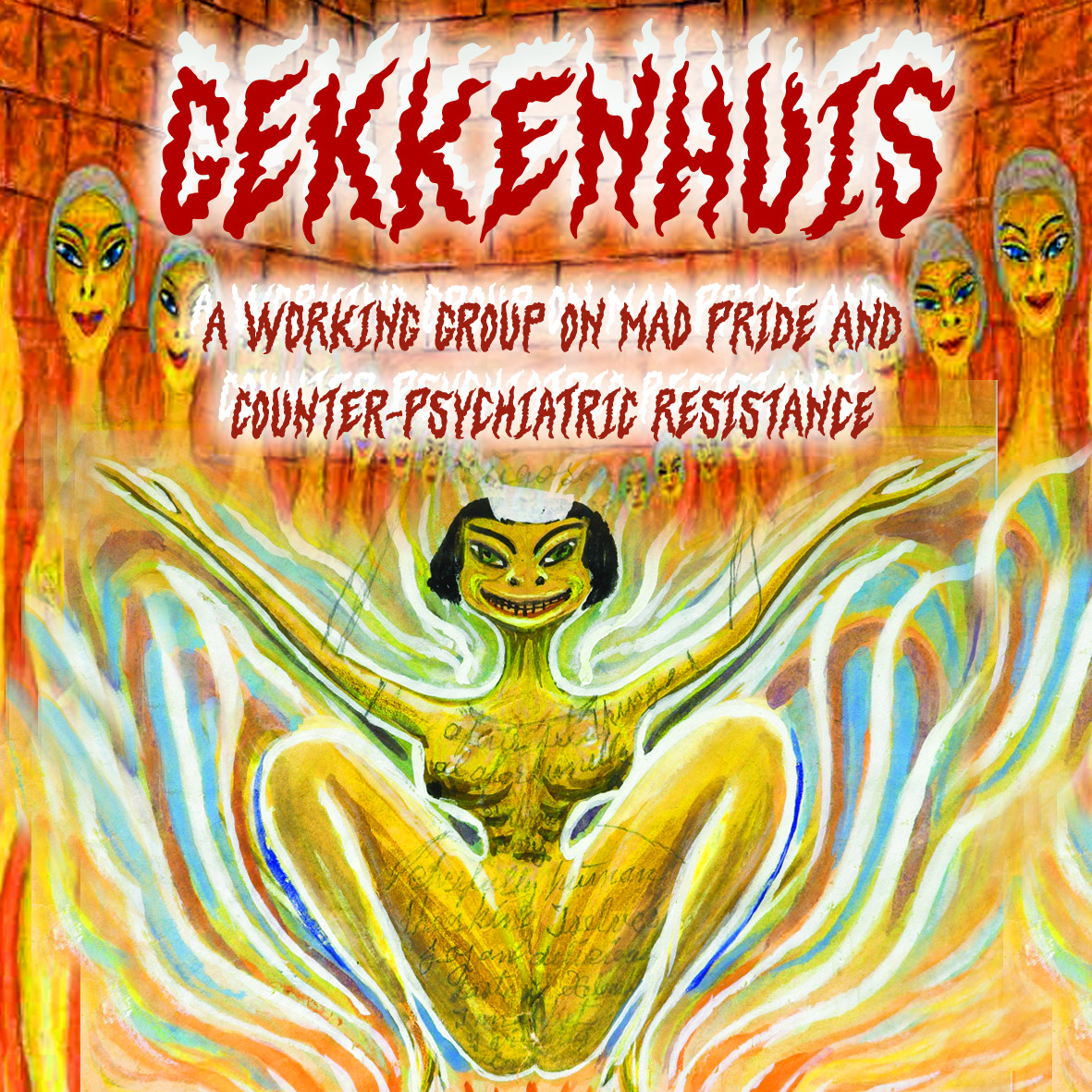
We will look at the life and work of Ovartaci, a Danish trans artist who lived and worked in an asylum for 56 years (1929–1985) and whose gender identity was disregarded and pathologised as schizophrenia. Her work is widely celebrated but is often segregated as ‘outsider art’. This framing opens questions - what voices are heard and legitimised by the art institution? What happens when we stop marginalising and infantilising madness narratives, and instead read through them as a lucid response to conditions that affect us all?
3: Reading through madness - the institution as an agent of change.
Gekkenhuis uses Mad and Crip as terms reclaimed by Disability Studies to signify identities formed by politicised experiences of the health system. We’ll reflect on the relative absence of such terms and theory from art discourse in the Netherlands, and the reinforcement it could bring.
Our closing discussion looks at the interconnectedness of these developments with the increasing spread of fascist logics globally. How can ‘reading through madness’ elucidate the relationship between psychiatry and colonialism, patriarchy, eugenics and neoliberalism?
We will consider the emancipatory potential of institutions – their capacity to recognise neurodivergent skill sets and validate authorship of counter narratives that destabilise stigma. We will think about Access beyond visible disability and dysfluency – masking, adaptation and emotional regulation as hidden barriers within ableist funding structures, expectations of overwork and socialising as a source of opportunity.